2026-08-28 · Marcus Reyes
Protecting Pipes During Las Vegas Summer Heat Spikes Above 110 Degrees
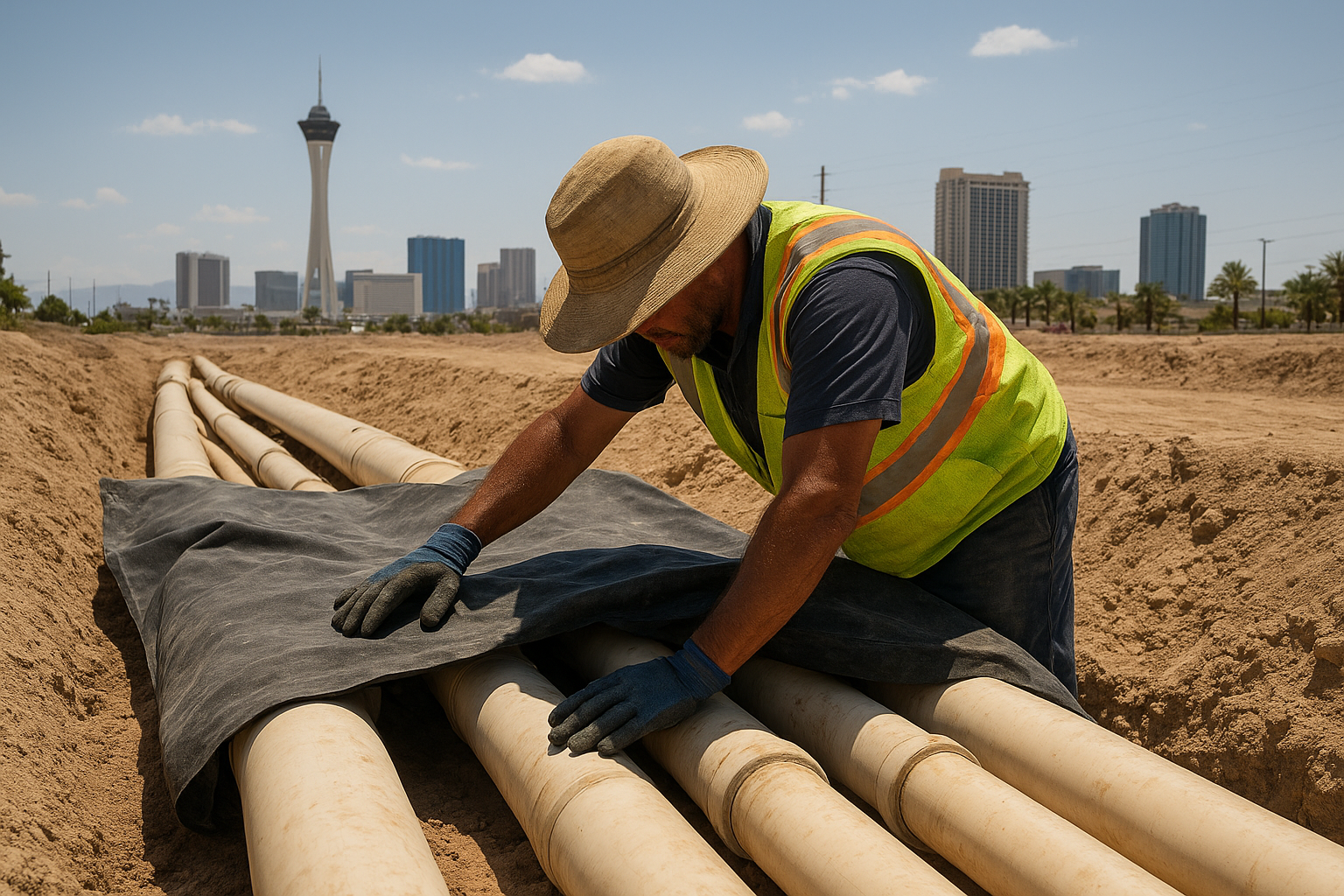
When temperatures in Las Vegas climb above 110 degrees, copper and galvanized lines expand and contract rapidly, raising leak risk at joints within 8–12 years in older stock. PEX tubing handles these swings better because it flexes without cracking, making a whole-house repipe the practical long-term fix for homes in Summerlin, Enterprise and Clark County.
How 110-Degree Days Affect Common Pipe Materials
Copper lines in homes built before 1980 around Downtown Las Vegas and the Arts District develop pinhole leaks faster once daytime highs exceed 110 degrees for multiple days. The metal expands roughly 0.5 inch over a 50-foot run, stressing soldered joints that already face hard water scale from Colorado River supply. Galvanized steel corrodes from the inside while the exterior bakes, especially in slab-on-grade homes common in Spring Valley and Sunrise Manor. PEX tubing rated for 180-degree water stays stable because its cross-linked structure absorbs movement instead of transmitting it to fittings. In Centennial Hills and Lone Mountain, where newer builds sit on rocky soil that holds heat, this flexibility prevents the micro-fractures seen in rigid materials after one extreme week.
Insulation Steps That Work in Desert Heat
Attic pipes in Las Vegas homes lose protection once attic temperatures hit 140 degrees. Wrap exposed lines with 1/2-inch closed-cell foam sleeves rated to 200 degrees, focusing on runs near the water heater and in laundry rooms. In single-story homes common in The Lakes and Desert Shores, bury exterior hose bibs under 12 inches of soil or add insulated covers to stop surface heat from transferring inward. For slab leaks reported after prolonged heat in Enterprise and Spring Valley, add a 2-inch layer of rigid foam board under new supply lines during a repipe. These steps keep water temperature 15–20 degrees cooler at the tap and cut expansion stress on fittings.
When a Whole-House Repipe Becomes the Better Option
Homes in Paradise and Winchester built with polybutylene or early PEX often show fitting failures once summers exceed 110 degrees for five or more consecutive days. A full whole-house repipe using PEX replaces every line in one mobilization, avoiding repeated patch repairs that cost $400–$1,500 each. In neighborhoods like Rhodes Ranch and Spanish Trail, where soil shifts slightly with extreme temperature swings, the new tubing can be run through existing access points without major drywall removal. Pairing the repipe with the hard-water realities discussed in How Hard Water From the Colorado River Damages Pipes in Las Vegas Homes helps owners plan for future scale buildup on the new lines.
Monitoring After the First Extreme Heat Wave
Check under sinks and at water heater connections in the week following any 110-degree spike. Look for damp drywall, white mineral rings on fittings, or a sudden drop in water pressure that signals a developing leak. In Centennial Hills and Sun City Summerlin, where many homes have long attic runs, use a thermal camera or infrared thermometer to spot sections that stay hotter than surrounding pipe; those areas need added insulation before the next heat event. Owners in Henderson and North Las Vegas who notice recurring issues after two summers often schedule a repipe before monsoon moisture combines with heat stress to worsen slab leaks.