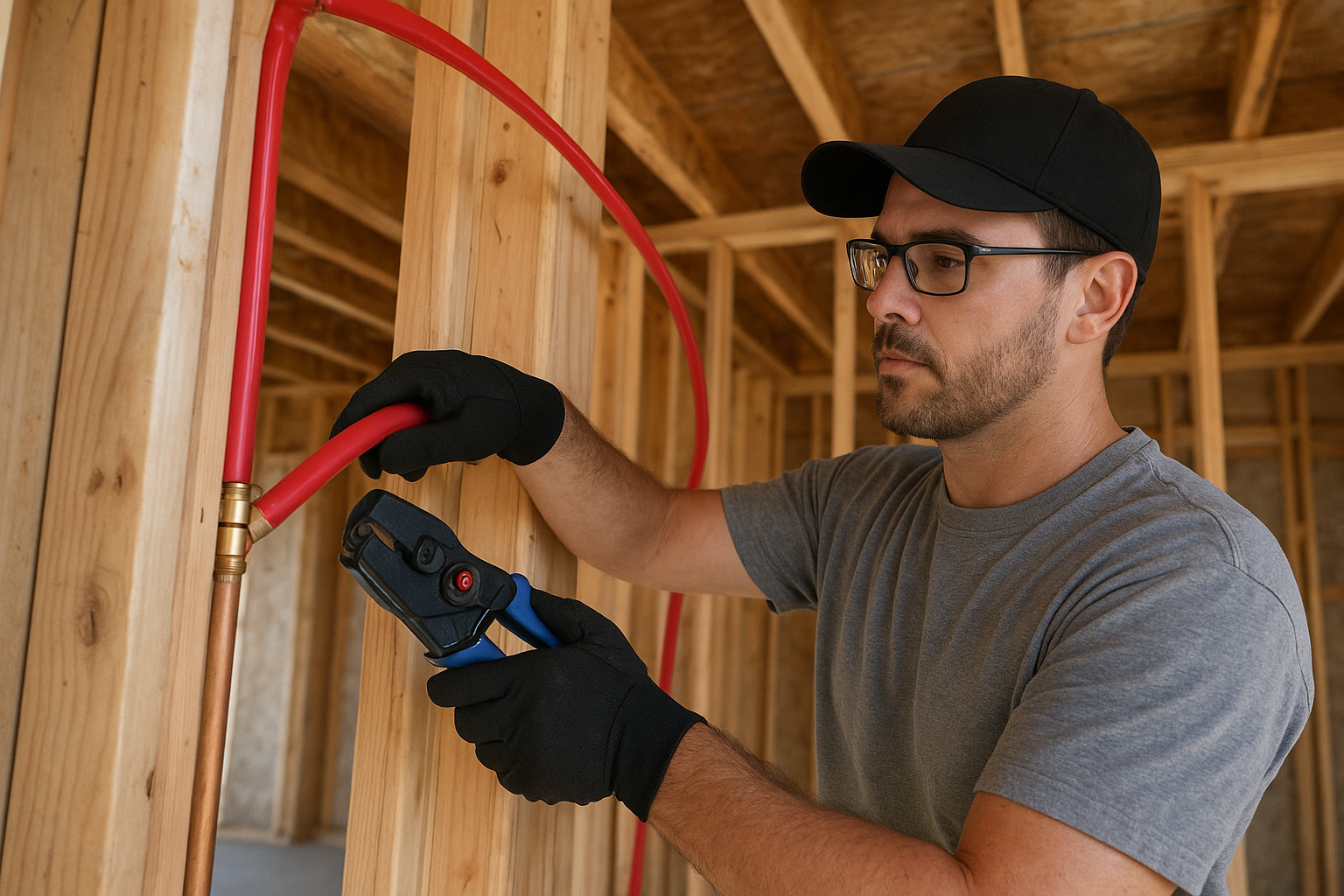
Lone Mountain homes built from the late 1990s through the 2000s commonly have copper supply lines that fail from repeated expansion in summers that exceed 110 degrees. Whole-house repipe replaces the full run from the meter through every fixture, using materials that handle the constant heat cycles better than original lines.
Larger lots along Lone Mountain Road and Ann Road often sit on sloped, rocky ground that changes how crews excavate and backfill. Work stays contained to established driveways and side yards while crews protect mature desert landscaping that homeowners have spent years establishing.
Proximity to the 215 beltway gives direct access for equipment without crossing dense neighborhoods, yet the mountain terrain still requires careful planning for drainage around new pipe trenches so monsoon flows do not undermine fresh work.
Around Lone Mountain
We regularly work near:
- 📍Lone Mountain Regional Park
- 📍Lone Mountain Road
- 📍Ann Road
- 📍Tule Springs Fossil Beds National Monument
- 📍US Highway 95
Repipe in Lone Mountain — Local Notes
- •Rocky caliche soil common on Lone Mountain lots requires heavier excavation equipment and slower trenching to protect adjacent foundations.
- •Longer service runs from the street main to the house are typical on these larger parcels compared with tighter subdivisions in Spring Valley.
- •Mild winters let crews work through most of the year, but extreme summer heat forces early morning starts to keep materials stable during installation.